Key Takeaways
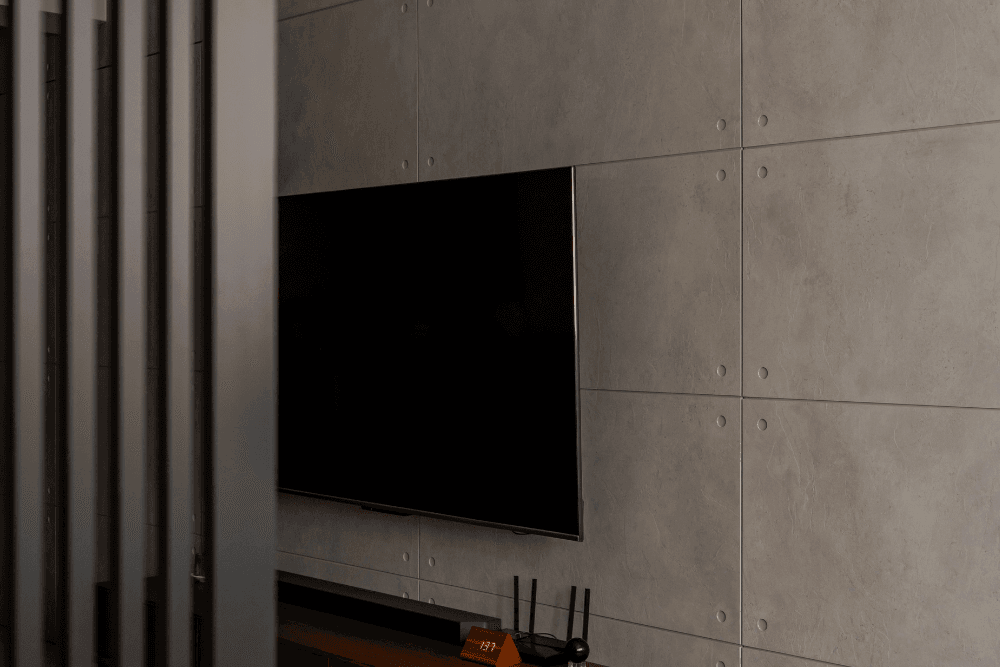
- Prioritize material depth over variety by layering textures like raw concrete, microcement, and natural fabrics to avoid a flat, overly harsh space
- Use lighting and negative space intentionally to balance heaviness, allowing key structural elements and furniture pieces to stand out
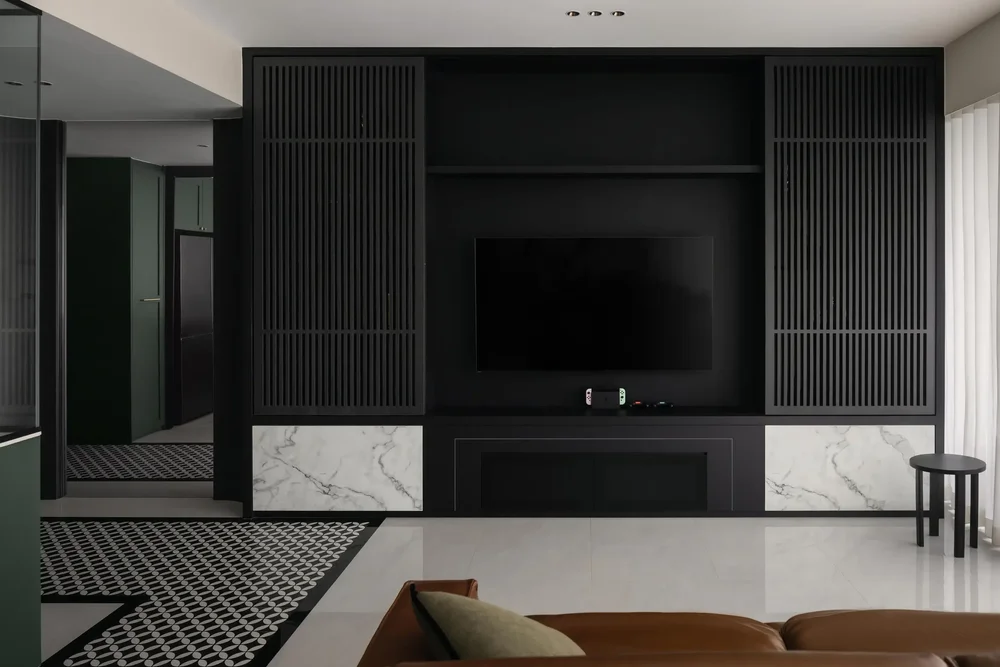
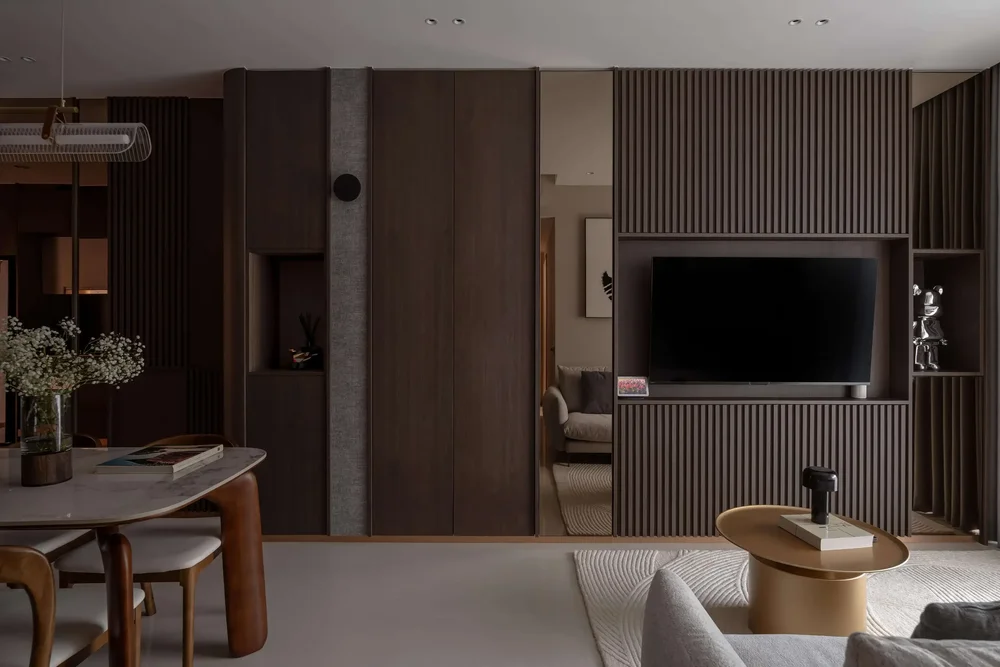
- Keep brutalism livable by integrating subtle warmth through wood, textiles, and concealed functionality without compromising its raw, minimal aesthetic
What Characterizes Brutalist Interior Design
Modern brutalist interiors are defined by the brutalist look and brutalist style, which emphasize raw materials like concrete, bold geometric forms, and large, open spaces that allow structural materials to visually dominate. The brutalist interior design style has evolved from its origins to focus on controlled expression, balancing ruggedness with intentional negative space and selective contrast.
A key aspect of the style is the reliance on geometric forms and bold structures. Concrete is the primary medium in brutalist design, often used for walls, floors, and furniture, showcasing its texture and imperfections to create a sense of authenticity. Limiting your primary material palette to two or three dominant finishes—such as board-formed concrete, smoked oak, and blackened steel—and repeating them consistently across surfaces creates cohesion while maintaining the signature starkness of the brutalist style.
Advanced Material Use and Layering
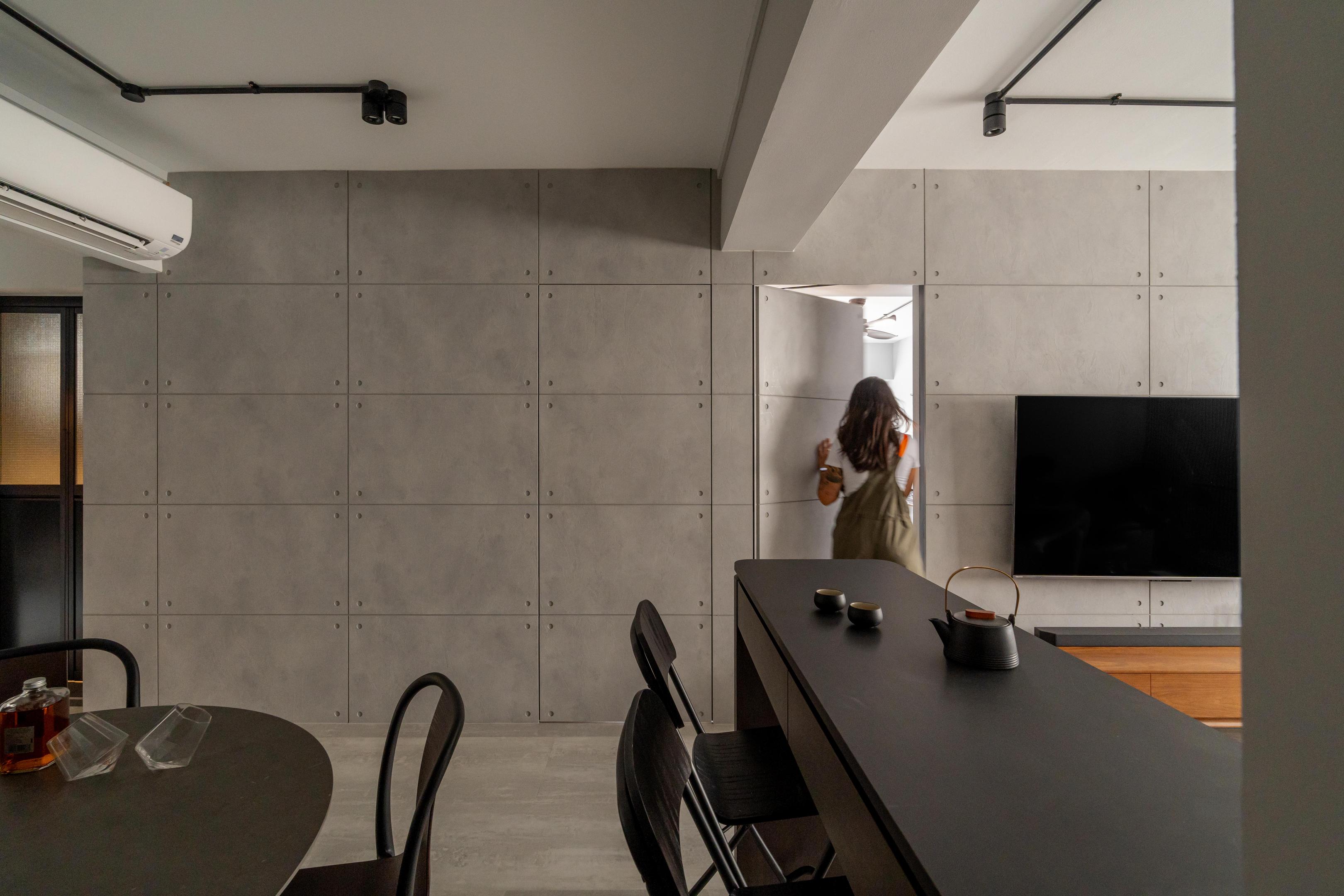
Brutalist interiors fail when materials feel flat or one-dimensional. The goal is layered texture within the same tonal family. Concrete accents and concrete elements, such as exposed columns, beams, and surface finishes like béton brut, contribute to the raw beauty and inherent beauty of brutalist interiors by showcasing the authentic textures and imperfections that define the style.
A practical approach is to pair one heavy material with one tactile softener. Think raw concrete walls with brushed linen upholstery, or бетон surfaces offset by handwoven wool rugs. Brutalism celebrates materials in their raw or near-raw state, with concrete left exposed, timber showing its grain, and metal being brushed or patinated rather than chrome-plated. Avoid adding too many contrasting materials—limit layering to texture, not variety.
Color Strategy Within Brutalist Spaces
Brutalist interiors often result in dark homes filled with raw, organic materials and minimalist aesthetics, creating a stark yet modern look that highlights the style’s industrial and strong visual appeal. Color in brutalist interiors should feel embedded, not applied. Instead of adding bright decor, integrate pigment directly into materials.
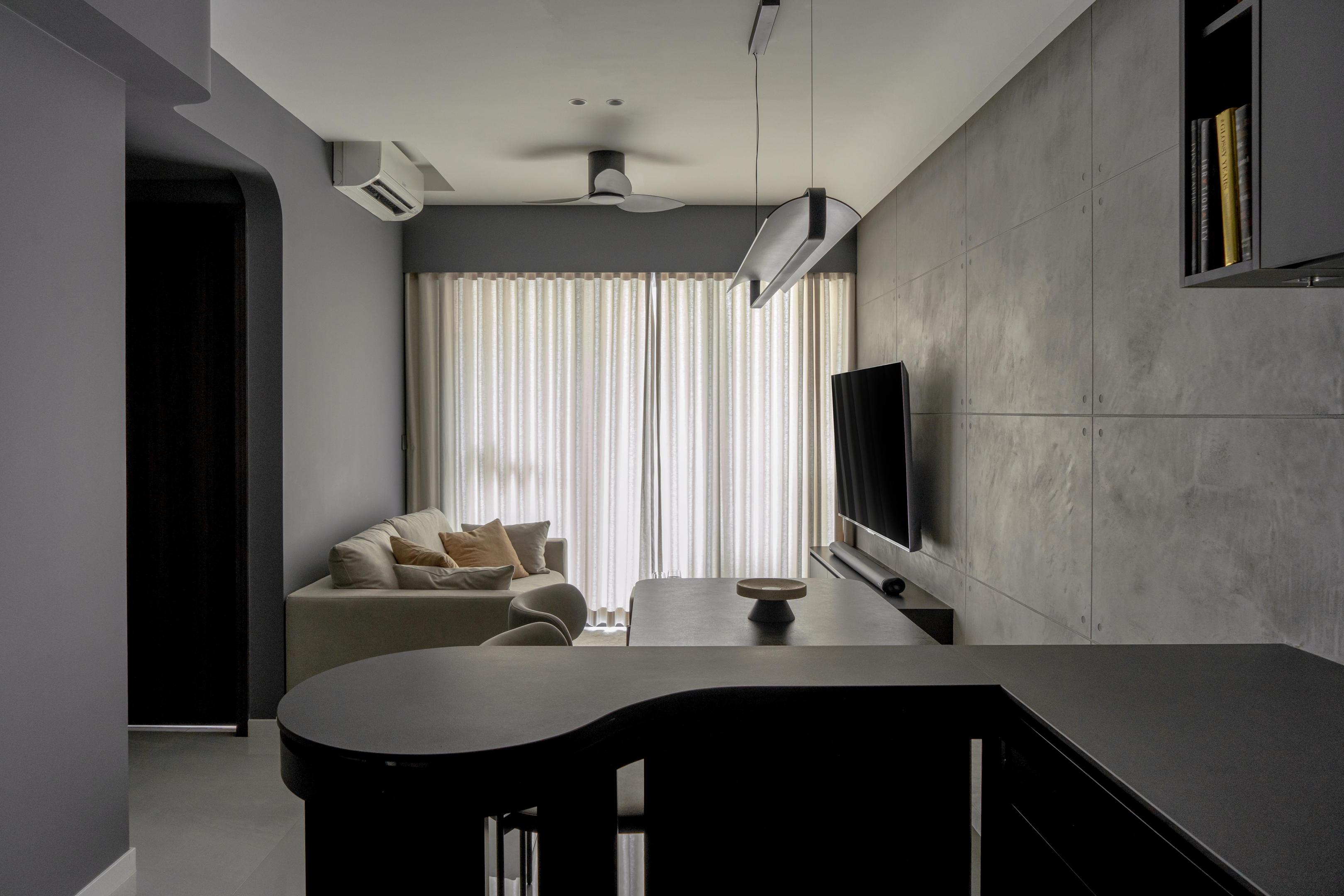
The color palette in brutalist design is typically restrained and muted, featuring shades like greys, charcoals, and off-whites. Color is introduced sparingly to maintain focus on the materials themselves and to highlight texture over color.
Structural Elements as Design Features
In brutalist interiors, structure is the design. Columns, beams, and slabs shouldn’t be concealed—they should be emphasized. Brutalist interiors often celebrate the building’s construction by purposefully leaving structural elements like pipes, ducts, steel beams, and columns left exposed, showcasing the honest craftsmanship and raw materiality at the heart of the style.
One effective technique is exposing ceiling beams and aligning lighting along their edges to highlight their geometry. Another is turning a load-bearing column into a focal point by leaving it raw while surrounding walls remain smoother. While some surfaces are left bare to reveal their natural texture, others may feature textured finishes such as cement screed, faux stone, or fluted panels to add depth and visual interest.
Spatial Planning and Layout Principles
Incorporating brutalist elements and thoughtful spatial planning can create visual interest and add depth to brutalist interior design. Open layouts and strategic zoning are key to achieving the desired effect, as brutalist spaces rely heavily on openness and flow. Over-partitioning disrupts the visual weight and continuity.
A strong layout strategy is zoning through level changes or material shifts rather than walls. For instance, slightly elevating a living area platform or switching from concrete to wood flooring can define space without enclosing it, adding depth and enhancing visual interest.
Softening Brutalism Without Losing Its Edge
The challenge is introducing warmth without diluting the aesthetic. The key is subtle contrast, not decoration. Use natural materials like linen curtains, wool throws, or light wood accents, but keep them minimal and neutral. For example, a single oversized linen curtain panel can soften a concrete wall without cluttering it. Avoid overly cozy elements like patterned cushions or bright textiles. Softening should feel integrated, not layered on top.
Brutalist Design Across Different Rooms
Living Room
Brutalist home decor can be easily incorporated into any house, including condos and HDB flats, by using concrete-look flooring. This option provides the raw, industrial aesthetic of concrete without the coldness of actual concrete surfaces, making it ideal for residential spaces. Anchor the space with a heavy central piece, such as a concrete coffee table, and keep seating low and structured. Use a large rug to subtly define the zone.
Bedroom
Introduce softer textures while maintaining minimalism. A platform bed in wood or concrete paired with neutral bedding works well. Keep decor to a minimum—one artwork or wall feature is enough.
Kitchen
Use continuous materials like microcement or stone for countertops and backsplashes. Handleless cabinetry in matte finishes reinforces the clean, monolithic look.
Bathroom
Focus on seamless surfaces. Microcement walls and floors create a unified look, while built-in niches replace external storage. Add warmth through subtle lighting rather than decor.
Common Mistakes in Brutalist Interior Design
One major mistake is overusing raw concrete without variation. While exposed concrete is a hallmark of brutalist interior design, relying solely on it can result in a flat, lifeless space. Incorporating materials like cement screed and exposed brick can add texture and authenticity, but these should be used thoughtfully to avoid overwhelming the design.
Another is adding too many decorative elements in an attempt to “soften” the space. This contradicts the core aesthetic.
Using incorrect lighting is also common. Harsh, direct lighting can make the space feel cold and uninviting. Always layer lighting and prioritize indirect sources.
In Singapore, exposed concrete is a common feature in public housing and institutional buildings, making it easier to integrate brutalist elements into residential spaces, especially in many HDB flats and condominiums.
Low-Cost vs High-End Brutalist Interior Design
High-end brutalism often uses authentic materials like poured concrete, natural stone, brick, and custom-built furniture. Exposed brick, whether original or newly installed, adds raw texture and character that defines the brutalist aesthetic, and both high-end and budget approaches can incorporate exposed or faux brick for authenticity. These materials create depth and longevity but come at a cost.
On a budget, you can achieve a similar look using microcement, concrete-effect tiles, laminate finishes, and faux brick panels that mimic raw materials. The key is consistency, avoid mixing too many substitutes.
A smart investment is lighting and one statement piece (like a dining table or sofa). These have the biggest visual impact and elevate the entire space.
Design Implementation Tips
Creating a brutalist home starts with choosing one dominant material, like concrete and layering complementary elements such as wood or metal. The goal is a cohesive space built on raw textures and structural clarity.
Keep decor minimal and focus on scale, proportion, and material quality. As Rockin Spaces emphasizes, strong brutalist spaces rely more on restraint than excess.
Frequently Asked Questions About Brutalist Interiors
Yes, but focus on lighter tones and fewer heavy elements. Use one dominant feature instead of multiple large pieces.
Introduce subtle textures like linen, wood, or soft lighting while keeping the overall palette neutral.
Concrete, stone, steel, and wood are the most effective when used with variation in texture and finish. The architectural style of Brutalism, pioneered by British architects after World War II, emphasized the use of raw materials like exposed concrete and bold geometric forms. Concrete walls, combined with the interplay of different textures, create visual interest and depth in brutalist interiors.
Yes, especially when combined with clean layouts, concealed storage, and integrated lighting
Use layered lighting and incorporate minimal natural textures to balance the raw materials.